Youth delegation for democracy and self-governance
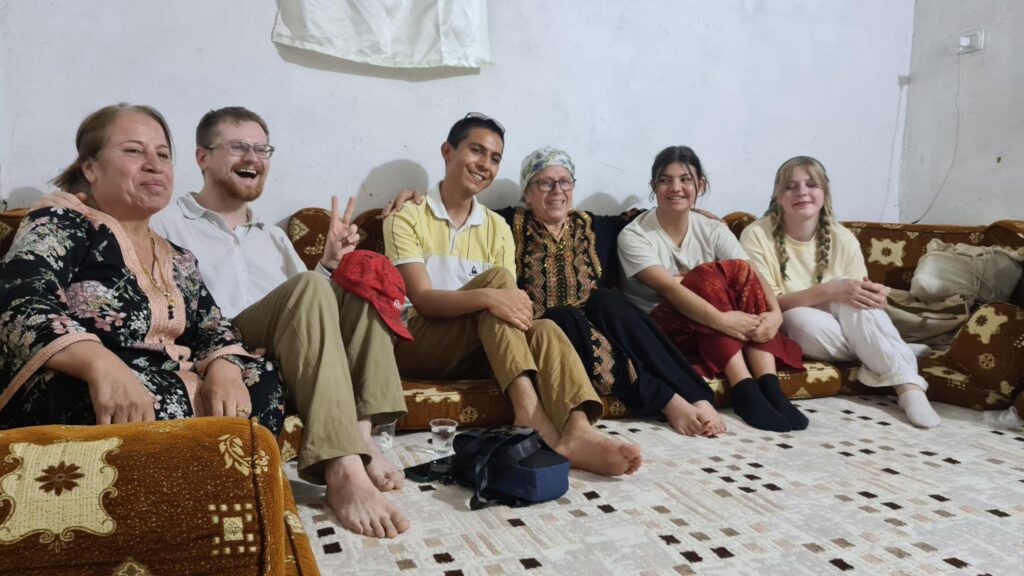
The purpose of the delegation was to gain a deeper understanding of the situation on the ground, put internationalism into practice, learn from the experiences of the revolution and strengthen the connections between different struggles.
The Revolution in North and East Syria was the result of decades of clandestine organising, political education and resistance under the Ba’ath regime. When the Syrian uprising created a political opening, the people of Rojava did not simply replace one authority with another, they began building a different way of living. The revolution emerged from the belief that the crises of the Middle East cannot be solved through more authoritarianism, nationalism or the competition of states for power. Instead, it proposes another path: a society where communities organise themselves, where different ethnic and religious groups can live together, where women play a central role in social transformation, and where ecological responsibility becomes part of political life. Fourteen years later, Rojava is facing one of its most dangerous moments. Military attacks, political pressure, and attempts by imperialist forces to reshape Syria threaten the achievements secured through years of struggle and sacrifice. The region remains unstable, and forces with very different interests are competing over the future of Syria.
After the Islamist militant group HTS overthrew the Baath regime in the winter of 2024, the military and political pressure on the Autonomous Administration escalated. This culminated in renewed attacks in January 2026, when assaults on predominantly Kurdish neighbourhoods further confirmed Turkey’s role in the offensive. All four commanders of the Syrian Arab Army’s 4th Army Division from Aleppo who led the attacks were or had previously been members of the Syrian National Army (SNA), a Turkish proxy force in Syria. For years, Turkey has viewed the Autonomous Administration in North and East Syria as a threat and has repeatedly launched military operations against the region. Driving these attacks are powerful actors within the Turkish state who benefit from the continuation of the conflict and reject a democratic solution to the Kurdish question. They oppose democratic self-administration because it offers an alternative to the nation-state model based on one language, one flag and one nation, thereby challenging the ideological foundations of Turkey’s centralised nationalist system. At the same time, the United States and Israel seek to consolidate their political, military and economic influence in the Middle East by weakening rival powers such as Iran, Russia and China, securing strategic trade routes and natural resources, and integrating Arab states into a regional order centred around Israel through the Abraham Accords. They want to reshape the middle East according to geopolitical and strategic interests. Rojava has become a target because its system of democratic self-administration represents an alternative political model that does not fit this regional order.
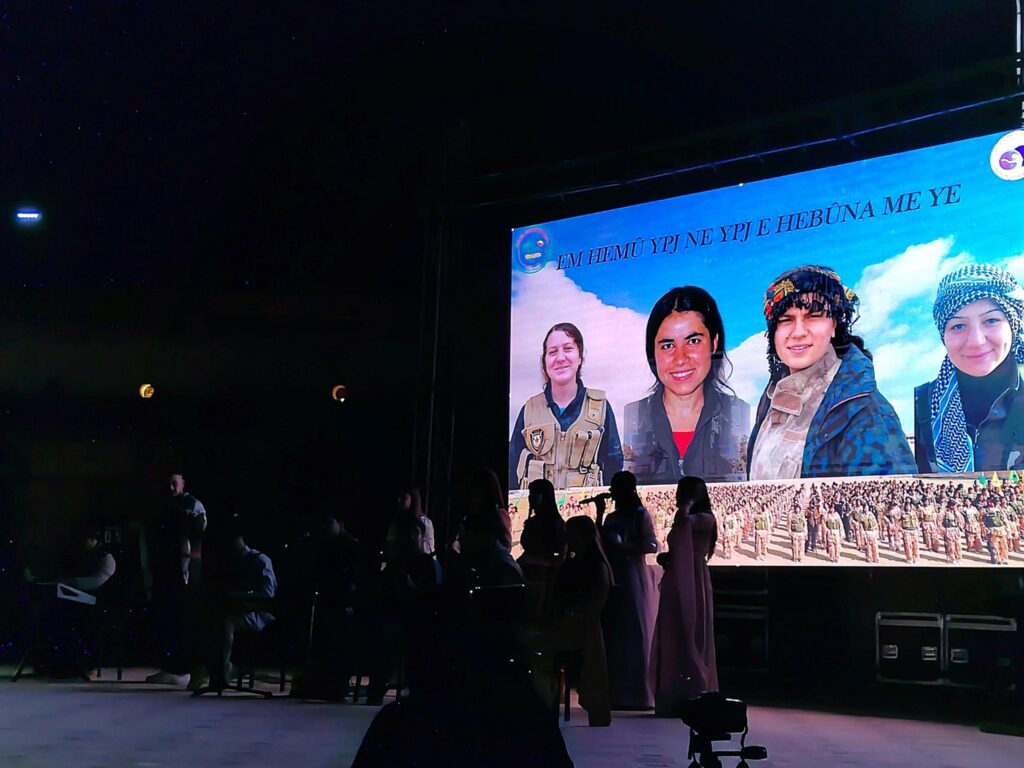
In this situation, the people of Rojava are facing pressure from different sides while trying to defend a democratic project that challenges the models of power in the region. The resistance of the people during the attacks in January was decisive in securing a place at the negotiating table. Therefore Rojava is in a process of integration into the Syrian state, in which the achievements of the revolution must be preserved while new political arrangements are being negotiated. Within the framework of the agreement of 29th January, a military and administrative integration process is currently underway. This process will determine the future relationship between North and East Syria and the Syrian state. However, significant disagreements remain, particularly regarding the future of the Women’s Defense Units (YPJ), the Kurdish education system and Damascus’ efforts to recentralise state institutions. The case of the YPJ illustrates the broader political struggle surrounding this process. The demand to dissolve the YPJ is not simply a decision made by the HTS-led transitional government, but is also connected to the broader legitimisation of the HTS by the United States and dominant EU powers. It reflects a patriarchal and hegemonic approach that threatens the core achievements of the women’s revolution.
The transitional Syrian government still wants to expand its authority and limit forms of self-organisation. Therefore, for this process to become a genuine path toward peace and not simply a return to centralised power, international attention, participation and pressure are essential. The stronger the international pressure and solidarity, the greater the possibility of safeguarding the achievements of the revolution and preserving its democratic institutions. What must be protected is not only a specific institutional form, but the meaning and values behind the revolution: the ability of communities to organise themselves, the participation of women and different peoples, and the belief that democracy must be built from society itself. If these principles are preserved, the revolution can continue to transform and adapt to new circumstances without losing its essence. All those who have an interest in a democratic, ecological and peaceful future for the Middle East, a future in which women can take their rightful place in all areas of life, must take a clear stand against policies that threaten these principles. Rather than remaining critical observers, we must recognise ourselves as active participants in this revolutionary process and take responsibility for defending its achievements.
The youth delegation for democracy and self-governance, travelled to Rojava because we do not see borders between their struggle and ours. The challenges that young people face today are connected across the world: the rise of authoritarian politics, social inequality, ecological destruction and the feeling that decisions about our lives are increasingly made without us. International solidarity is not only about supporting others in moments of crisis. It is also about learning from each other and recognising that alternative ways of organising society already exist. At a moment when war threatens to destroy years of social transformation, it is more important than ever that young people build bridges across borders. We came to learn, not only from speeches and meetings, but from everyday life. Because the revolution does not only exist in political structures. It exists wherever people organise, educate themselves, support each other and refuse to give up responsibility for their future. And everyday life began exactly there.
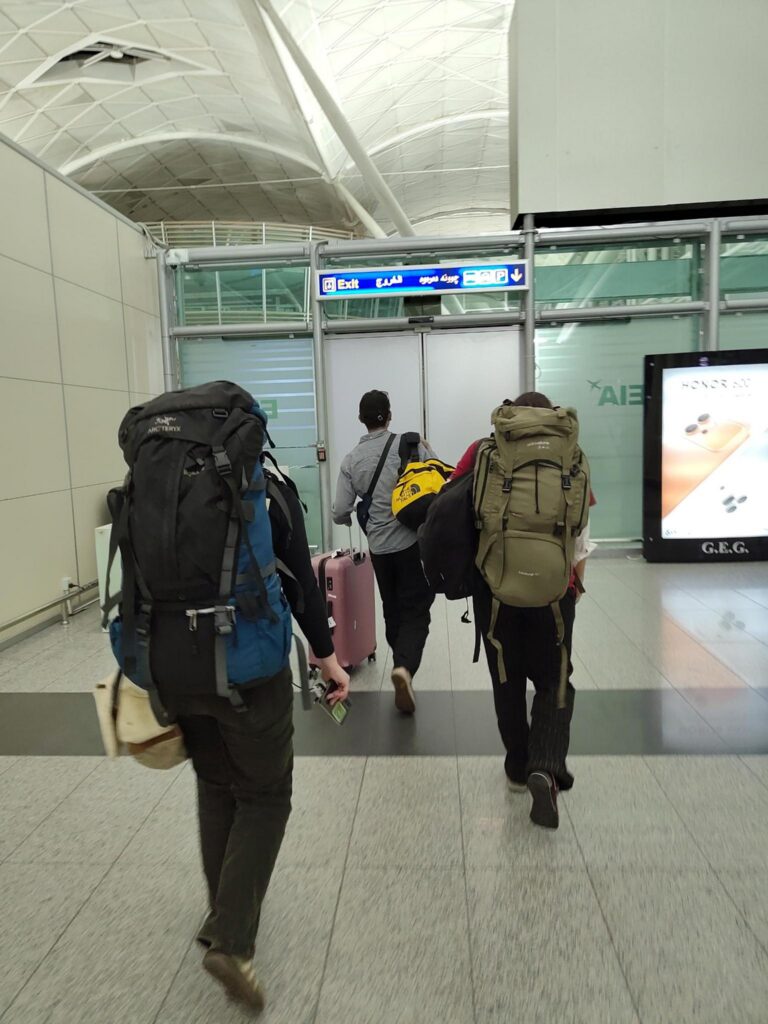
Excerpts from the participants’ shared diary:
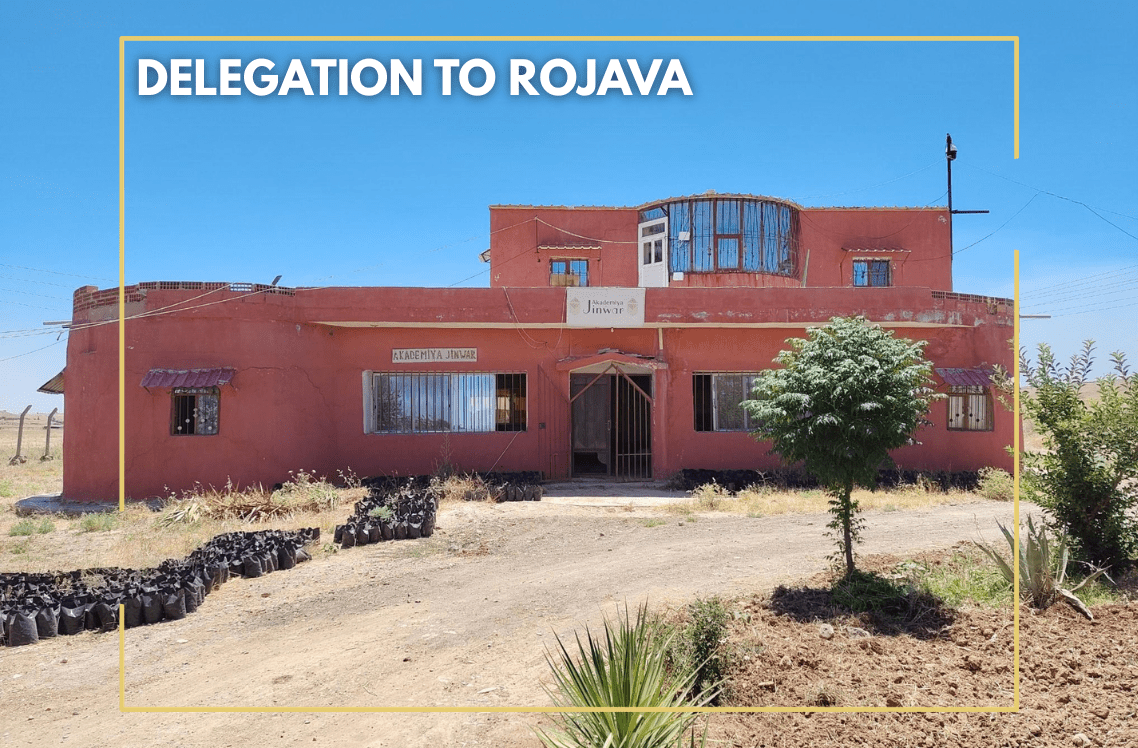
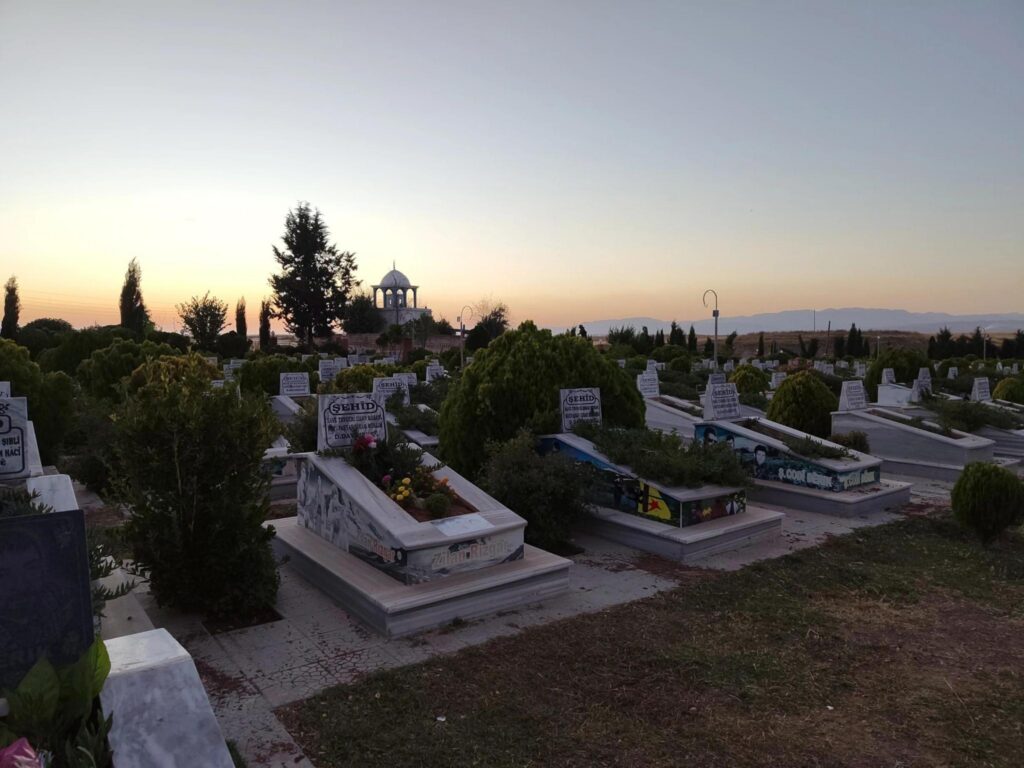
“After a long Travel to Rojava, we arrived in Derik. From the beginning, we experienced the strong sense of community that characterises the movement. Sharing meals, conversations and everyday life together gave us a first impression of the collective spirit we would encounter throughout the journey. That evening, we visited the Martyrs’ Cemetery, where our hosts shared the stories of comrades who had died for the revolution in Rojava. Standing beneath the night sky, with the Turkish border visible in the distance, we felt both the violence that surrounds the region and the resilience of a society that continues despite these losses. The continuous attacks by Turkey, including drone strikes targeting civilian infrastructure, aim to weaken the self-organisation and social structures built by the people of North and East Syria. Yet despite these attempts to undermine the revolution, the society continues to organise, resist and defend the achievements it has built. In the following days, we visited villages around Derik and met people who had been involved in the Kurdish movement for decades. They explained how the movement had transformed social relations, especially regarding the role of women and collective organisation. We heard stories of how communities were built around solidarity, education and political engagement. In Qamişlo, we met Kongra Star, the umbrella organisation for women’s organisations in Rojava. They spoke about their work organising women across Syria and the achievements of the women’s movement, including the co-chair system. We also visited Armenian youth, who shared their experiences of living with the legacy of genocide and ongoing conflict. Later, we attended a cultural festival supporting the struggle of the YPJ. We visited JIN TV, a women-run media organisation where women are responsible for all aspects of production, and the Jineolojî Center, where we learned about the “science of women and life” and the importance of education within the movement. In Hasakah, we met Youth TV and members of the women’s youth organisation. Despite limited resources, they continue producing media and organising young people through collective learning. We met the YPJ. Their calm confidence was perhaps the strongest impression of all. They spoke not of military glory but of responsibility, explaining that forms of struggle may change while the struggle itself continues. Especially now, during the integration process, their autonomy is at risk; yet, as women, they will continue to defend themselves regardless of what form this may take in the future. We also experienced the practice of criticism and self-criticism, a method used to reflect and grow together. One of the most memorable visits was Jinwar, a women’s village built around autonomy, collective life and women’s liberation. Around 70 women and several children live there, producing their own food, organising through assemblies and creating a community based on cooperation and self-sufficiency. In the last days we visited a village focused on cultural work, where traditions, dance and theatre are used to preserve history and identity. After a performance by children and a visit to a martyrs’ cemetery, we ended our journey reflecting on the people we had met.“
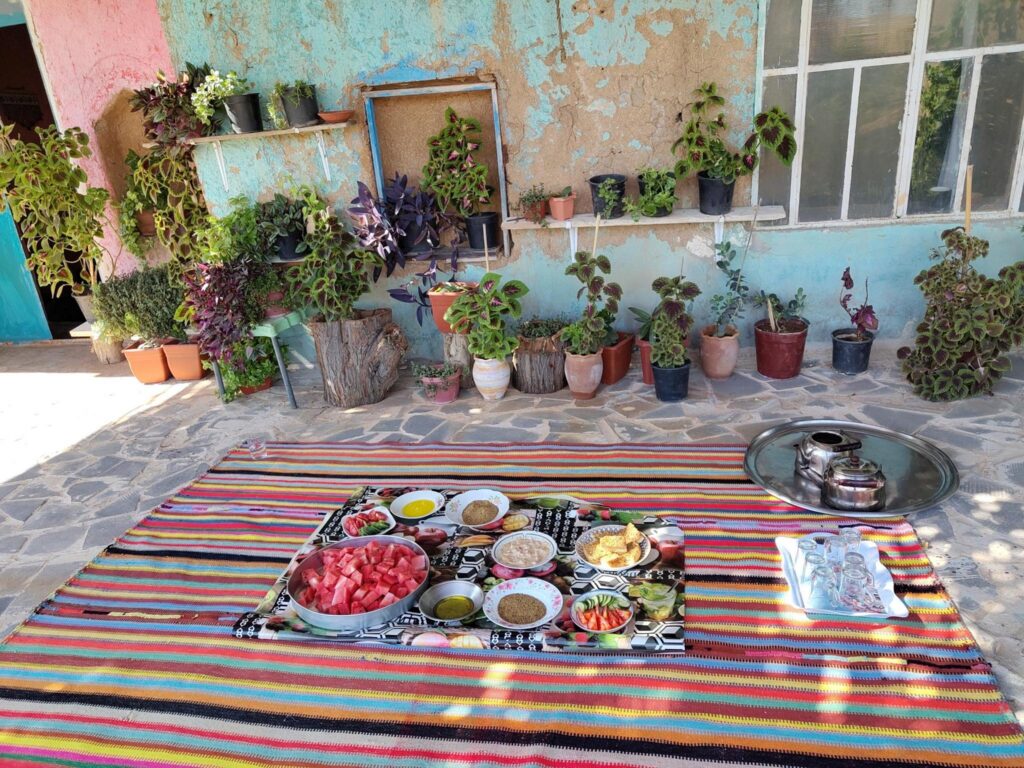
“Our final conversations were with wounded comrades of the Syrian Democratic Forces who, despite life-changing injuries, continue to study, organise and analyse the political situation every day. It was a fitting final lesson. In Rojava, the revolution is not measured by dramatic moments alone. It is measured by the quiet persistence of people who continue organising after loss, after disappointment and after war. This reflects a defining characteristic of the society and the revolution: every setback has led to stronger organisation, resilience and a renewed determination to continue the struggle. In Rojava it is difficult to separate the political from the ordinary. The meetings blend into shared meals. Theory into jokes. Martyrs’ cemeteries whose names are borne by children who carry on the dreams of the deceased. Endless chai into endless conversations. Perhaps that is precisely what we learned.“
“The revolution is not somewhere above daily life. It lives inside it.“