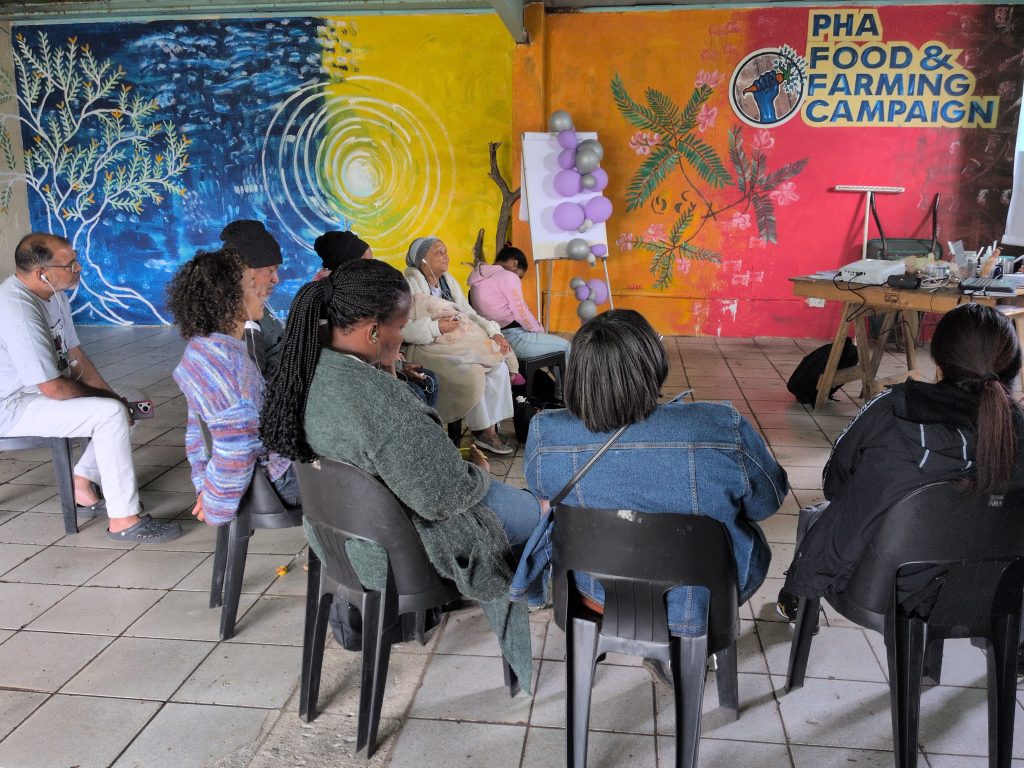
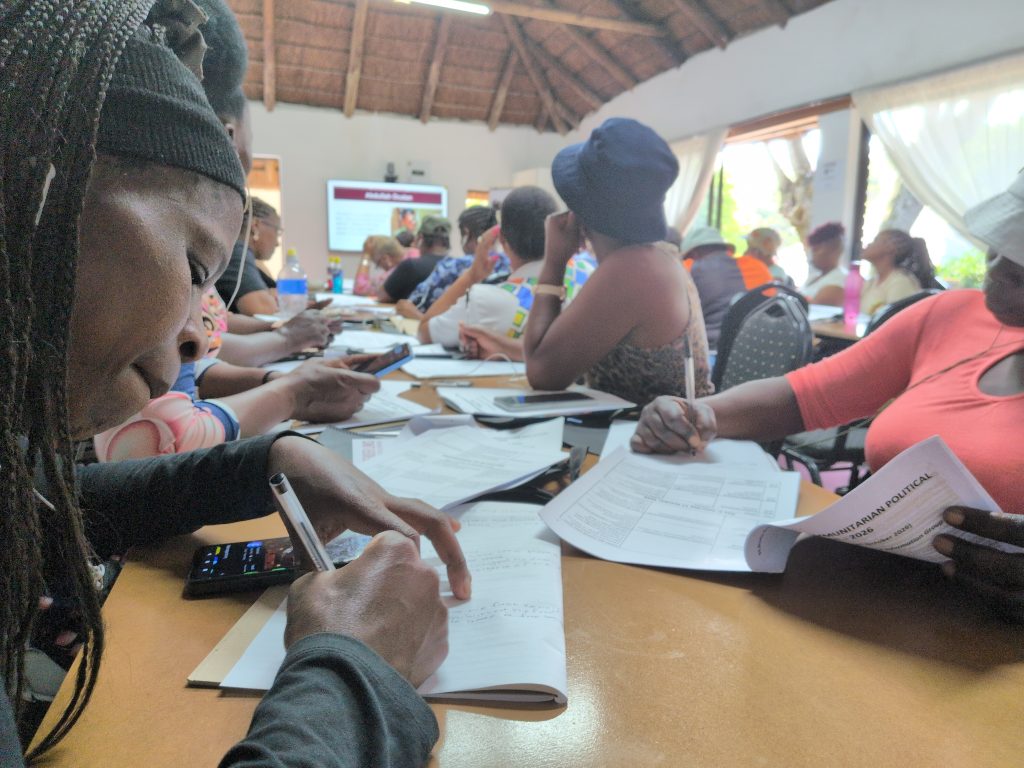
In October, we as Ronahî – Youth Building Bridges went on a delegation to South Africa. During our visit, we had the chance to meet various grassroots organizations, activists and women’s collectives. We discussed the current situation and the daily problems faced by the South African society today, as well as the various strategies people have developed to answer them and to defend their communities. We also held discussions on the philosophy of women’s liberation that emerged from the Kurdistan freedom movement
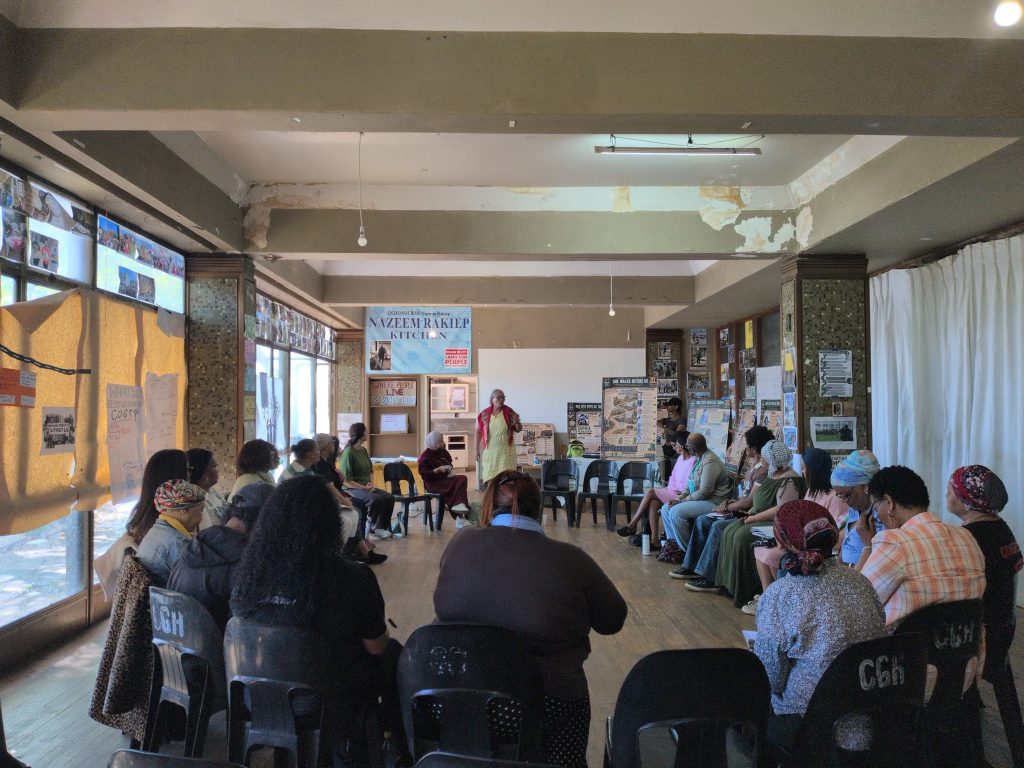
As the very last country on the African continent to officially end apartheid – under the leadership of Nelson Mandela, who had been imprisoned on Robben Island for 27 years – the problems within society are very evident. The women and young people we met told us about their everyday lives and the reality they face: gang activity, violence against women, teenage pregnancy, school drop-outs and drug abuse. The majority of people have no electricity or running water because they live in informal settlements and neighborhoods. In a situation where most people are struggling for the daily resources needed to survive, the question arises: what remains of the promises of the post-apartheid process?
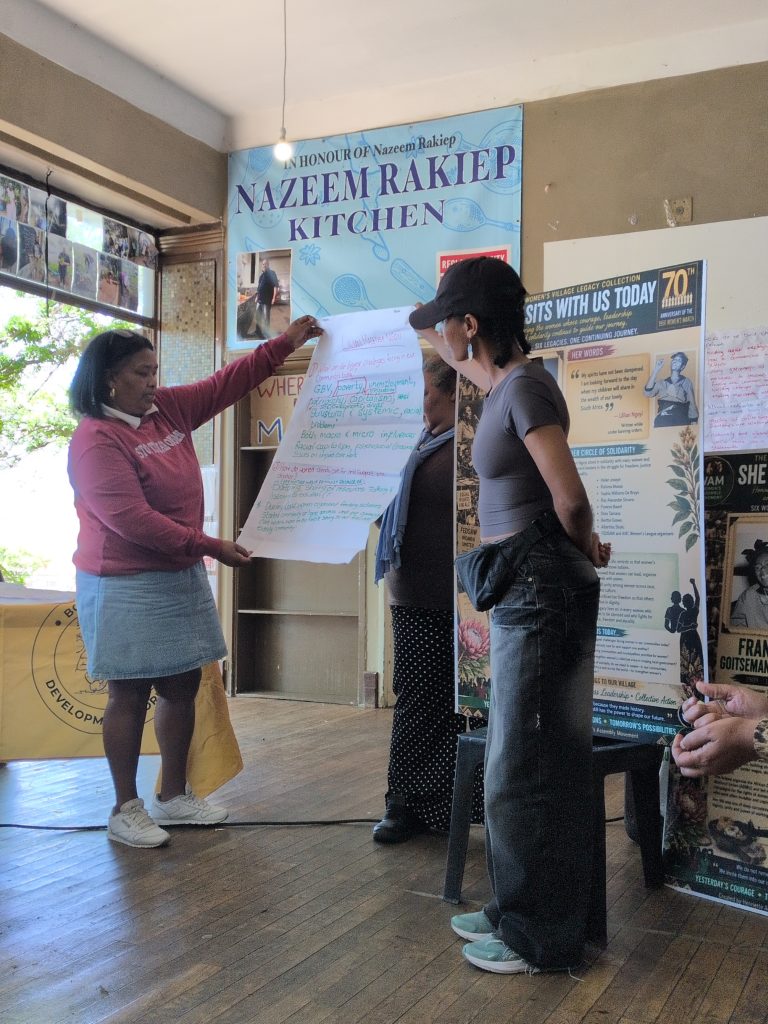
Nevertheless, the spirit to organize and resist against the colonial, racist system iremains unbroken. We met great courage’s young women who are fighting and organizing in their communities and have not taken one step back from their demands to achieve a democratic communal system for their societies. We are very honored, that we had the chance to meet all these wonderful people. We stand together with our comrades and sisters to fight against any form of oppression and the capitalist power system.
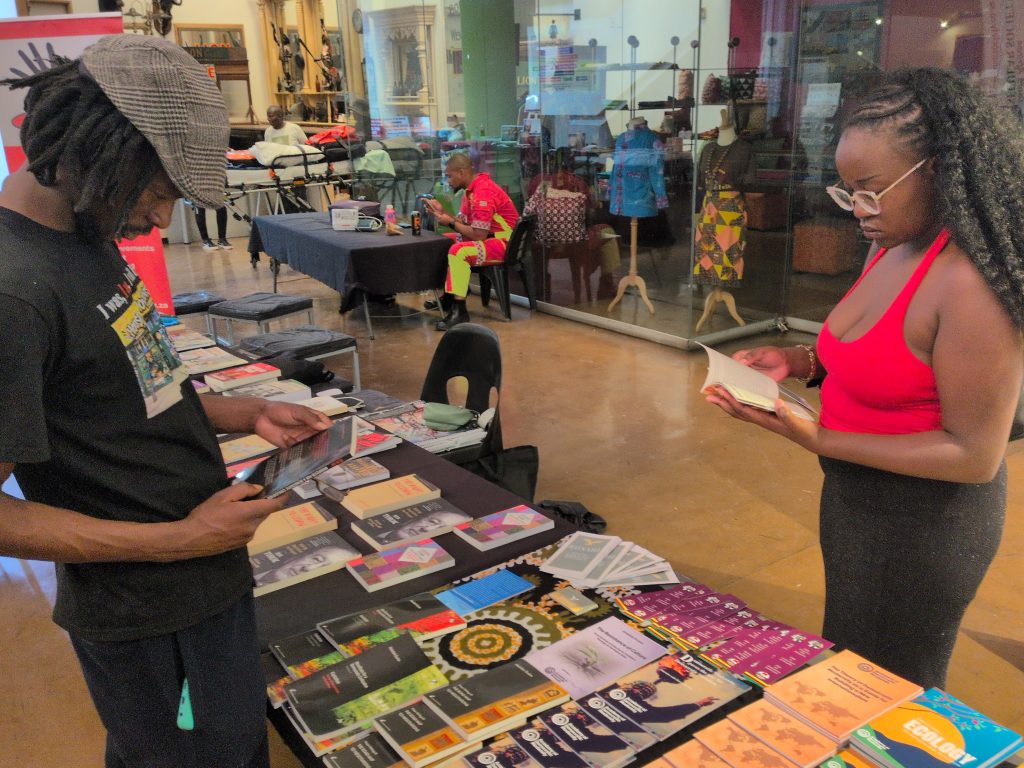
It is clear, the root causes of these structural problems are the same everywhere, whether in the Middle East, Europe, Abya Yala, Asia or in Africa. We must stand together internationally in order to build up an alternative from within society. By building strong alliances between our struggles, we can strengthen each others movements and collectively defend our societies against the attacks of militarization, colonialism and patriarchal violence.
Amandla – Awethu! „Power – To The People!“