Ronahî Editorial Board
Between Power Blocs and Social Change
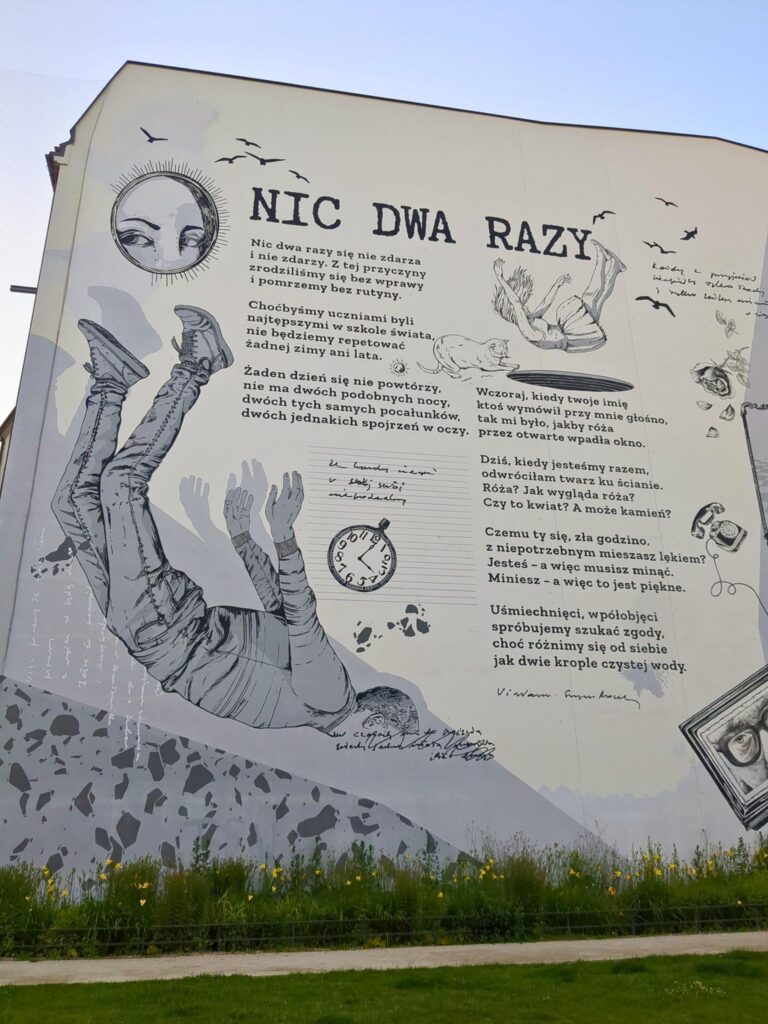
In the summer of 2026, as Ronahî – Youth Building Bridges, we travelled through Poland for seven days, meeting with various organisations, collectives, and activists in Wrocław, Kraków, and Warsaw. At the centre of our journey was the attempt to understand Poland’s social reality and its history from the perspectives of the people on the ground. At the same time, we wanted to better understand the country’s geopolitical situation and its role in the current power struggles, and to jointly search for perspectives for social change. It is above all the youth in Poland who are searching for new political and social perspectives. In addition to our encounters and conversations with activists, we held two seminars on the current situation in Rojava and the Middle East and discussed political organizing, revolutionary education, and the prospects for democratic, socialist, and left-wing movements.
Poland’s Role Within NATO
In recent years, Poland has gained significant geopolitical importance within Europe. Especially since the war in Ukraine, Poland has become a central part of NATO’s eastern flank. Its location bordering Belarus, Ukraine, Russia, and the Baltic Sea makes Poland a strategic and logistical hub. As a result, Poland has become increasingly important to NATO’s security and defense policy. This development is also linked to economic growth. After the end of the Soviet Union, Poland underwent far-reaching neoliberal economic reforms and got opened up to the global capitalist market. Since joining NATO in 1999 and the EU in 2004, infrastructure and the economy have therefore expanded significantly, and close ties have been forged with Western European countries, particularly Germany. The economic rise therefore does not automatically mean more political independence, but on the contrary, a stronger strategic alignment with and instrumentalisation by other states.
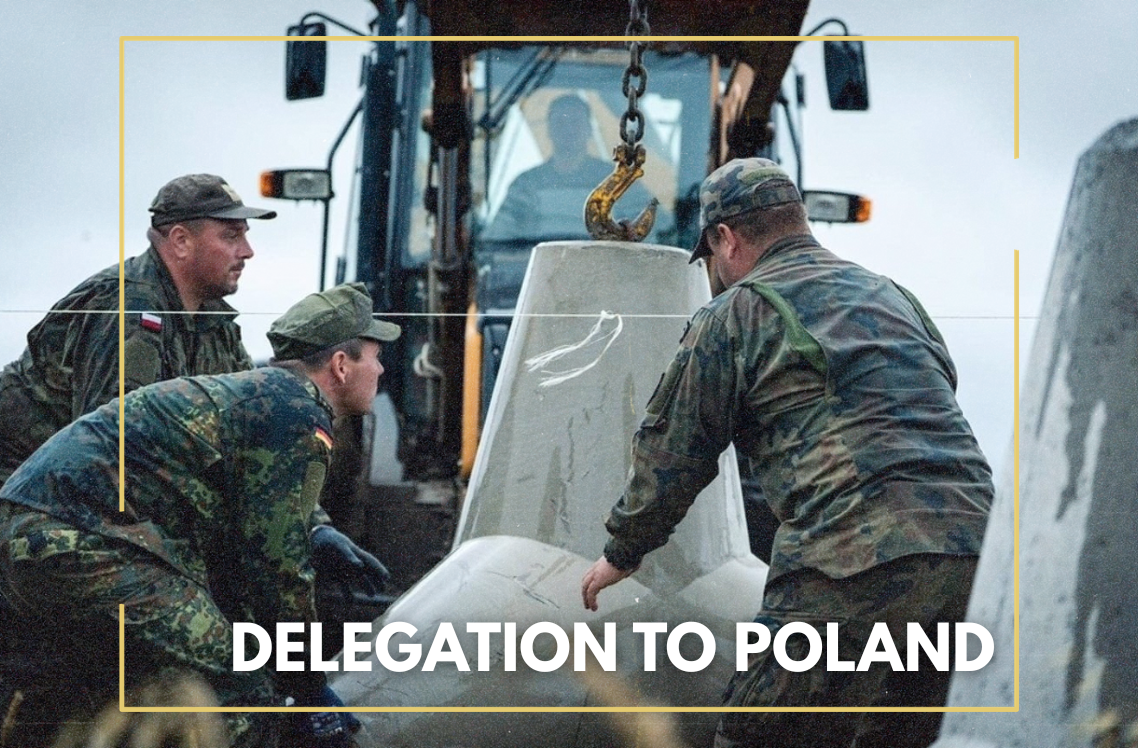
Poland’s new role is particularly evident in its increasing militarization. The state is investing heavily in military rearmament and strengthening its eastern border. With the so-called “Eastern Shield” (Polish: Tarcza Wschód), whose construction began on November 1st, 2024, a far-reaching military infrastructure has emerged, featuring fortifications, surveillance systems, and preparations for rapid troop deployments. NATO and Poland justify these measures on the grounds of deterrence and the defense of the eastern flank against Russia. Security should therefore increasingly be understood in terms of military strength, military buildup, and national borders. Consequently, a military orientation is becoming a more integral part of everyday social life. Young people, in particular, are being specifically targeted through voluntary military programs to recruit them for service in the army. This exposes young people to military structures and the use of violence at an early age. War and militarism are being normalized, while the space for young people to take their own futures into their own hands and develop alternative visions of society is shrinking. Poland thus plays a key role within NATO in securing the eastern flank and, in doing so, is itself becoming increasingly militarized. This development is particularly evident in Gdańsk. With its many ports, the city is a major hub for trade, energy, and the potential deployment of military reinforcements. Its location on the Baltic Sea and proximity to Kaliningrad also make it significant for NATO’s strategic planning. In the summer of 2026, Polish companies gathered there to participate in the reconstruction of Ukraine. Energy, construction, and infrastructure companies aim to contribute to future large-scale projects, while the state provides financial backing for these initiatives. In Gdańsk, military, economic, and geopolitical interests therefore converge.
From History and New Beginnings
– A Society in Motion
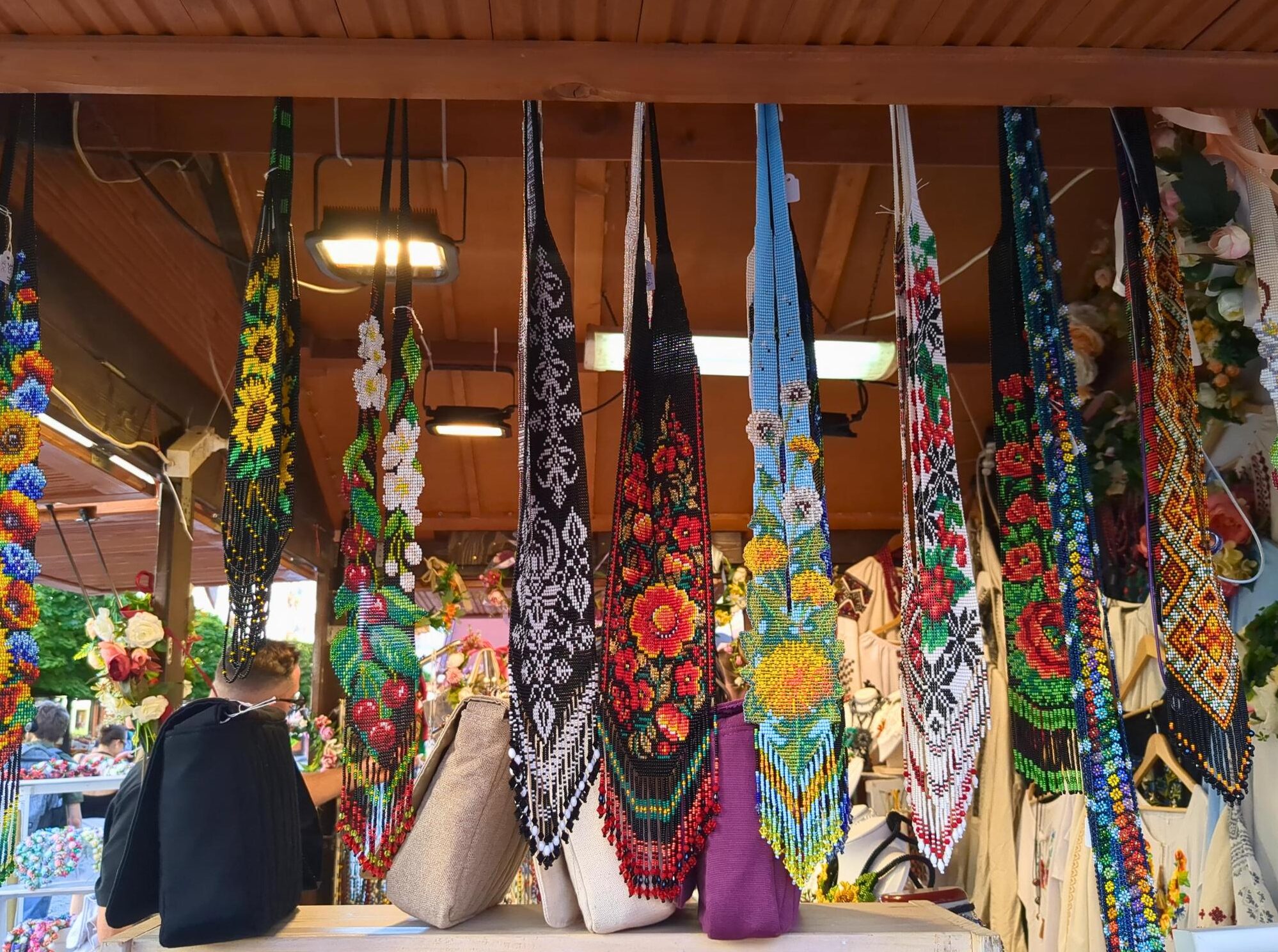
This geopolitical development is unfolding within a society whose political outlook is strongly shaped by its historical experiences with real socialism. For many Polish people, this period was marked by political external control, coupled with authoritarian structures, a lack of democratic opportunities, state control and surveillance. Consequently, the term “socialism” carries negative connotations for large segments of society. These memories also shape today’s political movements. Socialist perspectives face significant challenges, which is why many young people tend to organise themselves in anarchist or autonomous structures. At the same time, examining deeply this history is necessary in order to learn from the experiences of real socialism, to comprehensively assess its contradictions and achievements, and to rethink socialism under today’s conditions. The anti-socialist and anti-communist bias has contributed to the fact that, for many people, socialist perspectives are difficult to separate from the experiences of the past, specifically, those of real socialism. Alongside this, historical fears and experiences are taken up and instrumentalised politically. The memory of foreign domination and past threats is deliberately evoked in relation to the present-day confrontation with Russia, creating a social climate in which militarisation and military buildup appear to be a necessary response. The state presents itself as supposedly the only actor capable of ensuring security and protecting society from external threats, while simultaneously seeking to marginalise left-wing political forces. This makes it difficult to organize a broad, united force capable of linking different social struggles. Nevertheless, this fragmentation does not mean a political emptiness. Especially among the young people we have encountered, there is a strong will to organize and seek new paths.
A Democratic Response to Global Power Struggles
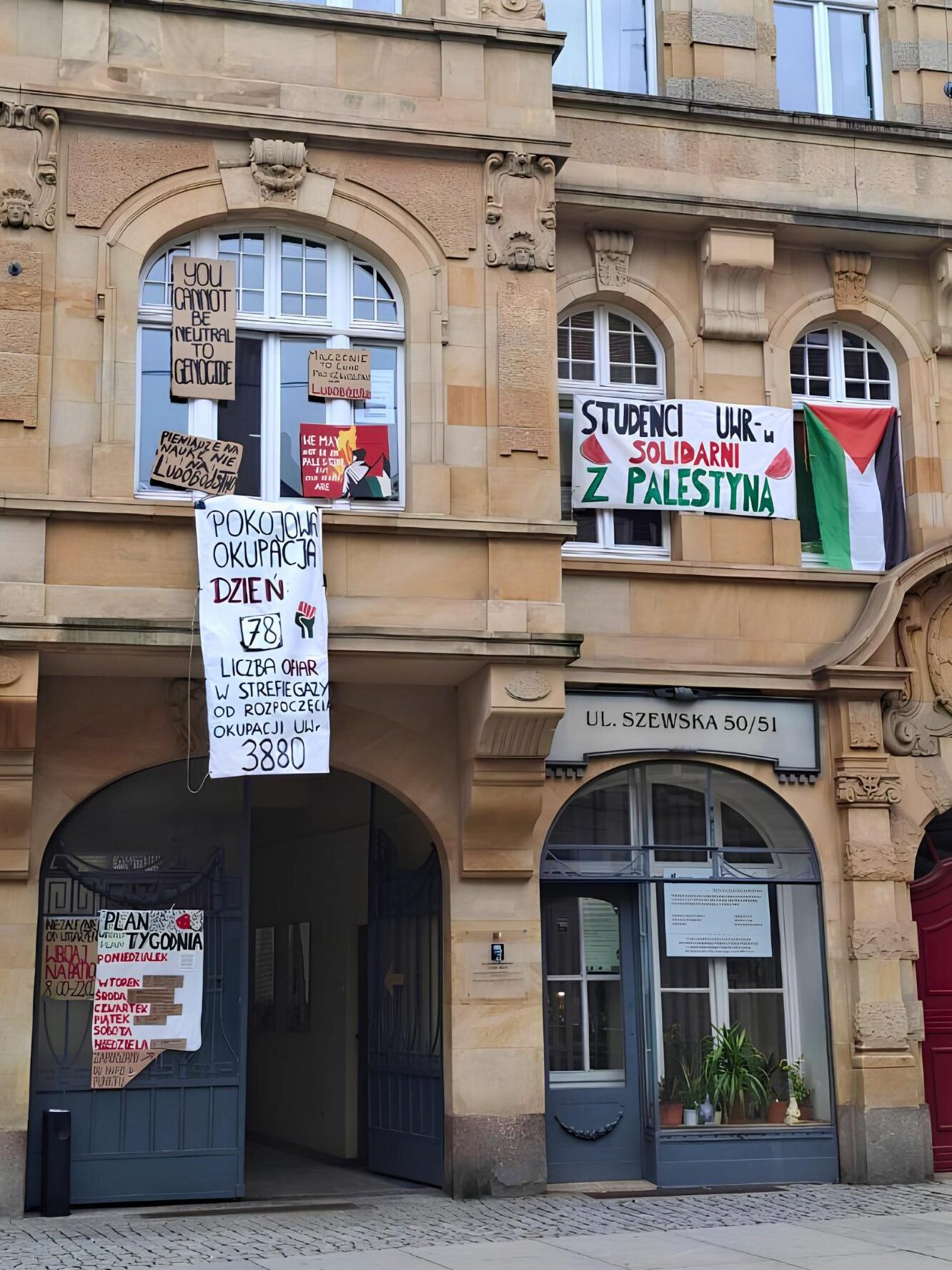
The U.S., Russia, and China are attempting to expand their respective spheres of influence and power blocs. Poland finds itself right in the middle of these conflicts. Poland’s geographical location repeatedly makes it a place in which larger powers pursue and assert their interests. Historically, Poland has repeatedly served as a buffer state between various centers of power. Also today, the interests of society are subordinated to the country’s geopolitical interests and strategic role. The escalation of these conflicts is also evident within society. Anyone who does not unequivocally side with NATO and Ukraine is often automatically labeled a supporter of Russia. As a result, it is becoming increasingly difficult to maintain an independent and differentiated position beyond the existing power blocs and to find space for an alternative third path. In this context, the state and society are often equated, even though the state’s power interests and the interests of society are at odds with one another. Society itself has no interest in becoming the battleground for a war over power, influence, and geopolitical strength. Precisely for this reason, we need spaces where these differences can be made visible, where people can come together to discuss, and where they can search for and build a democratic alternative to the existing power blocs. The answer to global power struggles therefore cannot lie in choosing one of the major power blocs. What is needed is a democratic response to war and to the exploitation of societies for interests that do not correspond to their own needs. Such a response can only emerge from society itself: through self-organization, through democratic decision-making processes, and through internationalist practices that connect people and their struggles.
All the more remarkable, then, is the strength of the democratic and left-wing forces we encountered. Under difficult conditions, young people are organising themselves, developing social, anti-capitalist, antifascist, and feminist struggles, while working towards forms of internationalist practice. The experiences of real socialism in Poland provide an important foundation for finding new answers to today’s social problems. What is particularly notable about Poland’s development is the rapid and profound social transformation following the collapse of the Soviet Union, which brought about the transition from real socialism to a neoliberal economic system. That is why Eastern Europe needs its own solutions, rooted in its history and specific social conditions, rather than simply adopting models from Western Europe. Throughout the journey, we became once again aware of how strategically important Poland is, not only in the context of today’s power struggles. Given that Poland is so important to capitalist and military forces today, it can become an equally important space for democratic and socialist forces to build influence and develop alternatives. Poland’s geographical location, its historical developments, and its connection to other Eastern European societies offer the possibility of developing a strong perspective against militarisation and national division, and of showing and living out alternatives. It remains to be seen who will harness this potential. For us, this holds an important perspecitve. If Poland succeeds in developing an independent, democratic, and socialist response to today’s social problems, this can have an impact beyond the country’s borders. Poland could thus become an example by developing an alternative to a world in which societies are turned into instruments of power struggles between states. Such an alternative means a self-determined society that democratically decides its future and shapes it collectively, in international solidarity, in friendship among peoples, and beyond national and military blocs.