Ronahî Editorial Board
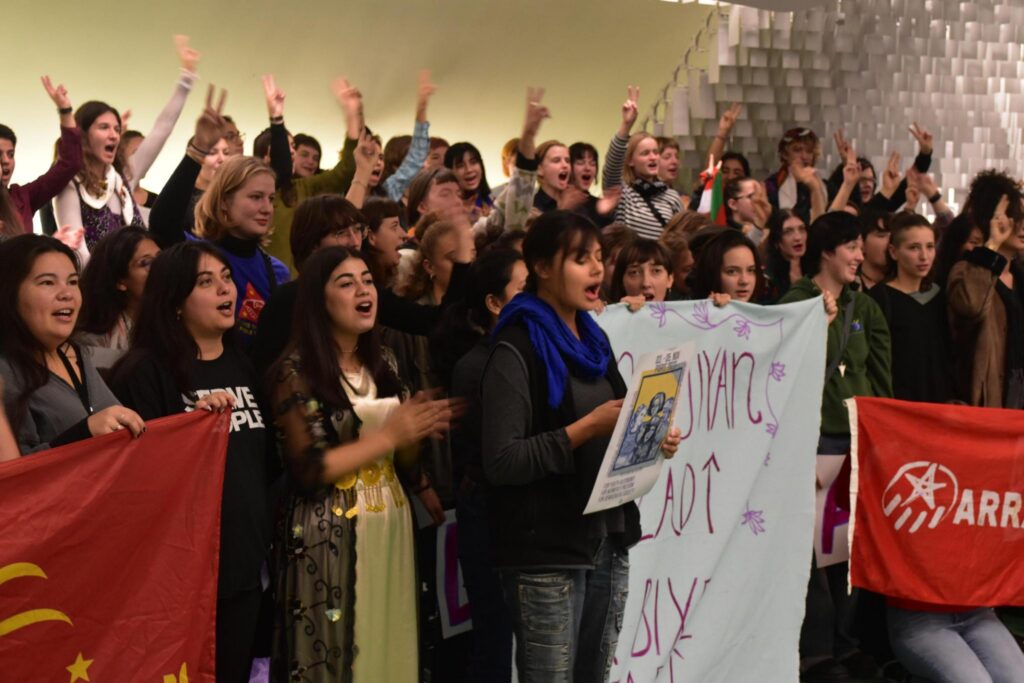
The conference provided a space for young people from different parts of the world to share their experiences, discuss the challenges they face, and explore common approaches and solutions. By identifying the common ground between our struggles, we took important steps towards strengthening the youth across borders and developing a shared political will.
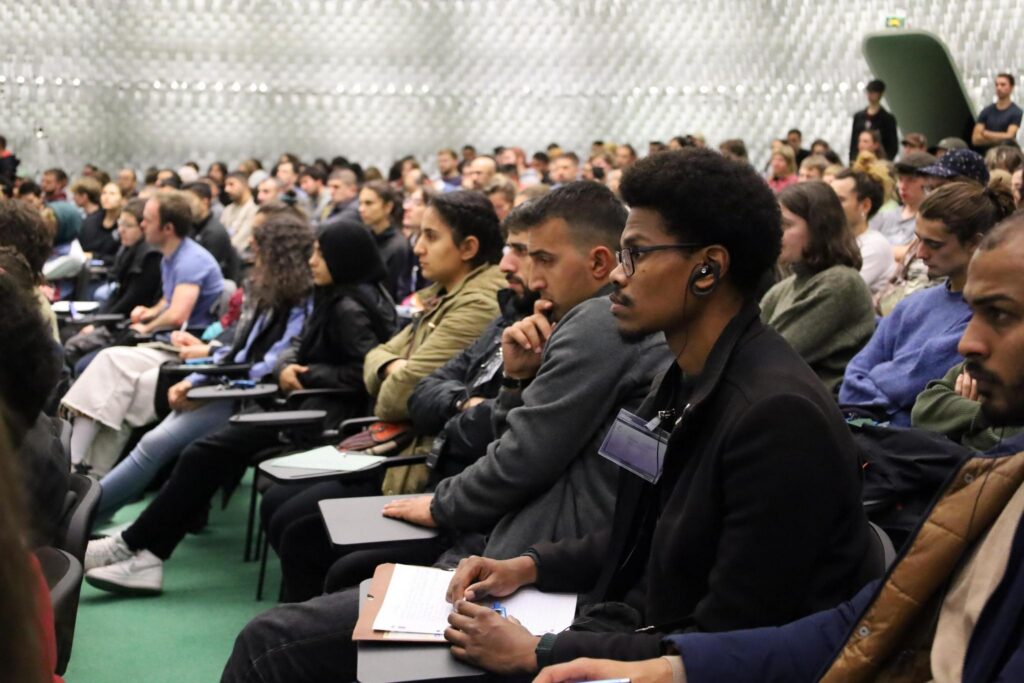
We organized this conference as youth for youth to strengthen our perspectives, develop our own initiatives, and take responsibility for our future instead of having it defined by older generations. Throughout history, youth, together with women, had been a driving force of change, challenging oppression and fighting for alternative ways of organizing society. From resistance against empires and colonial powers to the ’68 movement, young people had often stood at the forefront of social struggles. We wanted to revive this spirit and continue shaping our own history. After the fall of real socialism, the idea of the “end of history” had emerged, claiming that capitalism was the only possible system. We believed this had proven false. Increasing alienation and the loss of self-determination showed the need to rethink our societies and discuss how they could become truly democratic, collaborative, and free.
The three-day conference focused on the role and political significance of youth and on how young people could actively contribute to social change. On the first day, we discussed what youth means to us in the different places we come from and what responsibility young people have in shaping our future. The workshops and panels of the next two days included current global crises, their impact on society, and how young people could respond by developing their own political perspectives and initiatives. In the discussions we explored these issues in greater depth and searched possible forms of collective action and social alternatives. Another important focus was women’s liberation, particularly the role of young women in social and historical processes of change. On the last day, the conference concluded with discussions about youth unity and international networking, as well as a shared vision of a free future. Finally, the network “Youth Writing History” was presented as a way to connect young people and enable them to actively shape their own history. The atmosphere was filled with joy, enthusiasm and energy, showing that such an event had been a strong and long-standing desire for everyone involved. The messages of solidarity and greetings from the Internationalist Commune of Rojava, the Kurdish youth movement, comrades from South Africa and Lebanon, and the Zapatistas created a strong sense of morale and highlighted the history and significance of the conference.
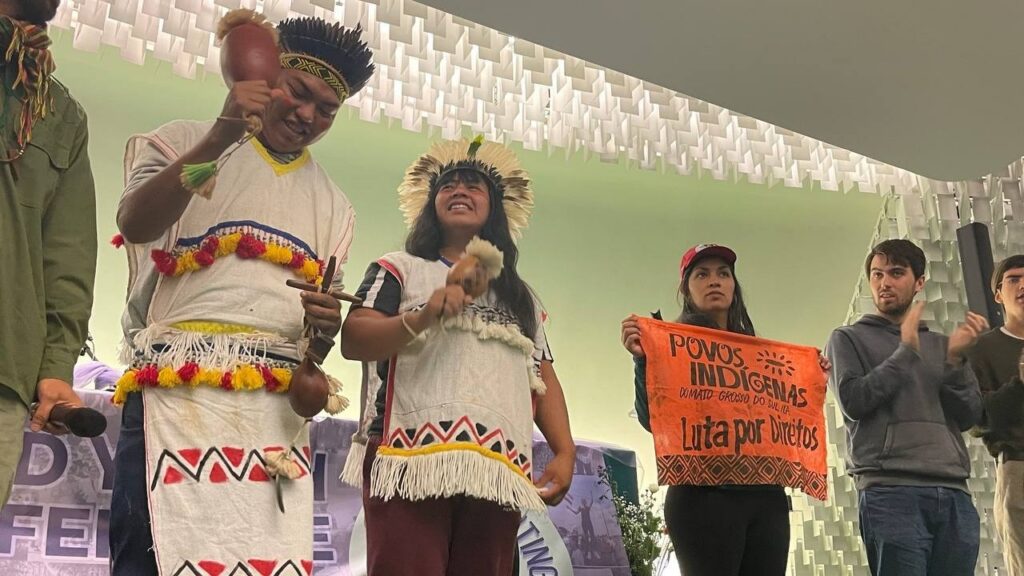
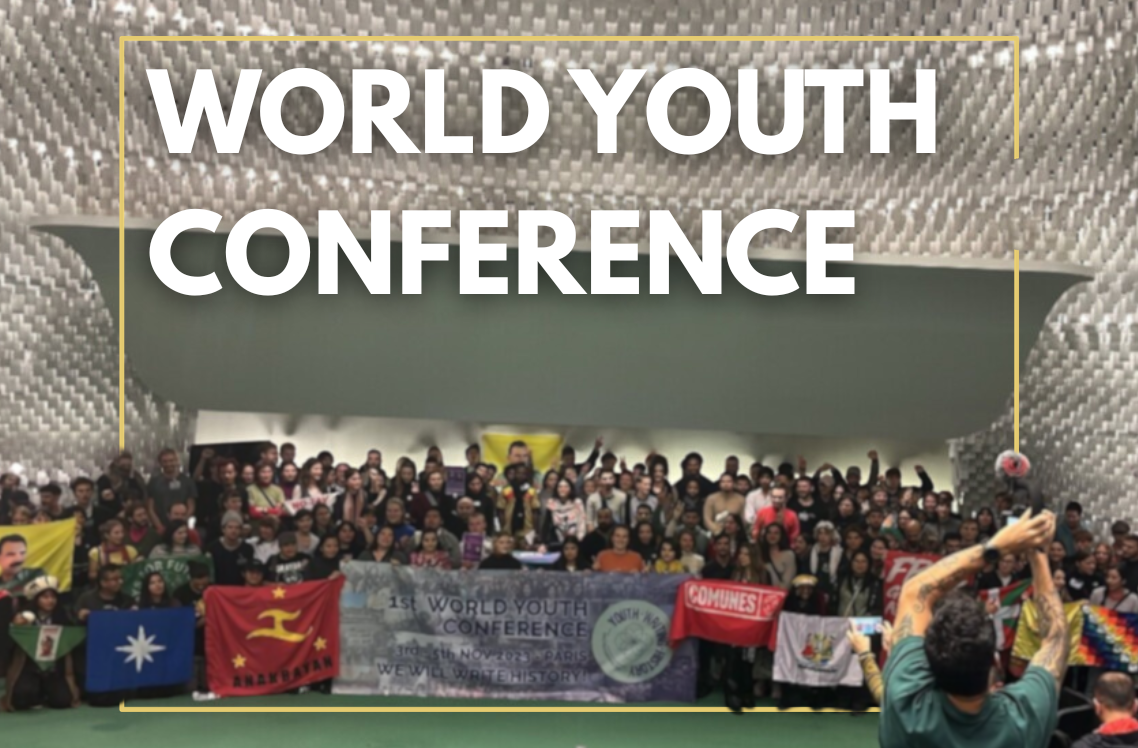
At the end of the conference, more than 400 young people from 49 countries and 95 organisations, movements and parties came together to establish shared principles for their future cooperation. The participants concluded in the principles that the current global crisis could not be overcome within the existing capitalist system, but required the development of a new, just and genuinely democratic social order. They therefore called for greater unity among democratic, revolutionary and anti-systemic forces worldwide and committed themselves to building connections between struggles and movements that fundamentally opposed the existing system. The outcome was based on the principle of “unity in diversity”: differences in political practice, organisational forms, methods, cultures and languages were not seen as an obstacle, but as a source of strength. We decided to insist on our shared goals and our common opposition to capitalism while allowing space for political and practical differences. A central principle was internationalism and the opposing of all forms of domination, exploitation, patriarchy and the destruction of nature, as sexism, racism and discrimination based on gender, sexual identity, religion, disability, language or nationality. The rejection of occupation, colonialism and imperialism, as well as the affirmation of peoples’ right to self-determination, was also expressed. We also identified fascism as major threat to peace and society and expressed our commitment to anti-fascist struggles worldwide. We placed particular emphasis on the autonomous organisation of youth. We understand young people as a dynamic force for social change whose independent organisation is essential for the renewal and development of movements.
We see our generation as having a responsibility to actively shape history rather than wait for change in the future. The conference therefore concluded with a call for young people across the world to unite, organise and work collectively towards a different and more just society.